The first five minutes of your class aren’t just a transition—they’re a temperature check.
The morning brings a flurry of activity before a single lesson even begins. Students often walk into classrooms carrying something: a social conflict, a restless night, or sometimes just the quiet weight of simply being a kid figuring life out. Those first few moments at school? They quietly determine whether your classroom feels like a place to start fresh—or a place to belong.
The good news, you don’t need more time or a complex system to shift the tone. Small, intentional routines can make those first five minutes feel like an exhale: for both you and your students.
When students feel seen and settled, they’re far more ready to engage, participate, and learn. Without that reset, you’re often teaching uphill; competing with distraction, stress, or disconnection.
It’s not about adding one more thing to your plate. It’s about making a small shift that changes everything that follows.
Stand at the door of your classroom with a warm smile and a heart prepared to care.
Greet students by name, maybe even include something that makes them special.
Make eye contact and engage actively as you welcome them.
It sounds simple because it is—but it’s powerful. A quick “I’m glad you’re here” communicates safety and belonging before they even sit down.
Connection Cue: Let students choose their greeting (wave, fist bump, smile). Choice builds comfort.
When students know what to expect, it lowers anxiety and creates a smooth landing into learning. You can achieve this for your classroom by implementing daily routines waiting for your students every day.
A question on the board.
A quick reflection.
A “would you rather.”
A journal prompt.
Connection Cue: Consistency here is calming. It tells students, “You’re in the right place.”
As educators, we know not every student will raise their hand and say, “I’m struggling today.” But you can still create space to notice when someone might be struggling.
Consider trying more inclusive, less intimidating methods to check-in with how your students are feeling:
Thumbs up / sideways / down.
The Friendzy Daily Check-in Tool or Weather Our Problems Scale.
Color cards or sticky notes they can leave on a themed bulletin board (A tree, garden, ocean, etc.)
Connection Cue: These take less than a minute but give you insight that can shape your responses throughout the day.
We all deal with stress differently, our students are no different. Sometimes students need a moment to arrive mentally, not just physically.
Try equipping your students with quick tactics they can use for a reset:
One deep, controlled breath together.
A quick full-body stretch.
A short guided reflection that helps them shift into a classroom mindset.
Connection Cue: It’s like clearing the fog before starting the drive.
What you name, you nurture and when we recognize and foster those gifts we help students see themselves through a positive perspective instead of through comparison or pressure.
Take 10–15 seconds to anchor the room before starting your first lesson of the day. This could sound like:
“We take care of each other in here.”
“Mistakes are part of learning.”
“You belong here.”
Connection Cue: These small, spoken reminders shape classroom culture over time. They’re tiny deposits that build trust.
We promised you simple ways to support your students so it's important to call out that you don’t need to do all five of these every day. We suggest starting with one tactic, make it yours, and then keep it consistent! Because the goal isn’t a perfectly managed classroom—it’s a connected one.
When students feel safe, seen, and settled in those first five minutes, everything else gets a little easier: behavior, engagement, even academic growth.
And maybe most importantly, students begin to associate their classroom with something steady in their day; a place where they can show up exactly as they are and still be welcomed in.
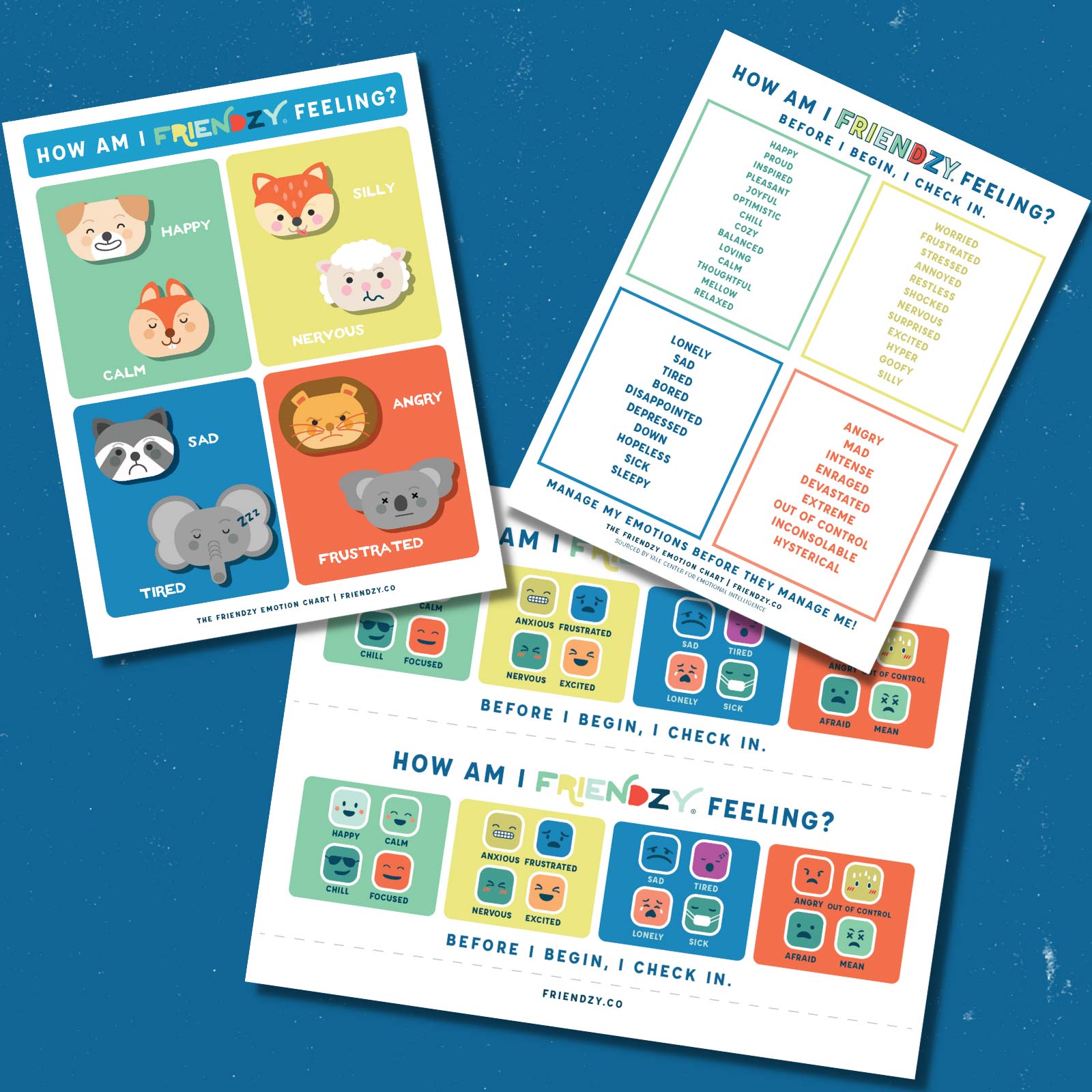
The Friendzy Daily Check-In Tool helps students slow down and check in with what’s going on inside so it doesn’t spill out sideways later. By naming emotions and reflecting on how they influence behavior, students build empathy, self-awareness, and better choices.
This isn’t about fixing emotions—it’s about noticing them. When teachers model that process, students learn that feelings come and go, and they have the power to choose their response. The result? A calmer classroom, stronger connections, and students who are better equipped to handle whatever the day brings.
Use it daily in whatever format fits your classroom: print, desktop, poster, or slides. Guide students through a quick moment to identify how they’re feeling and how they want to respond.
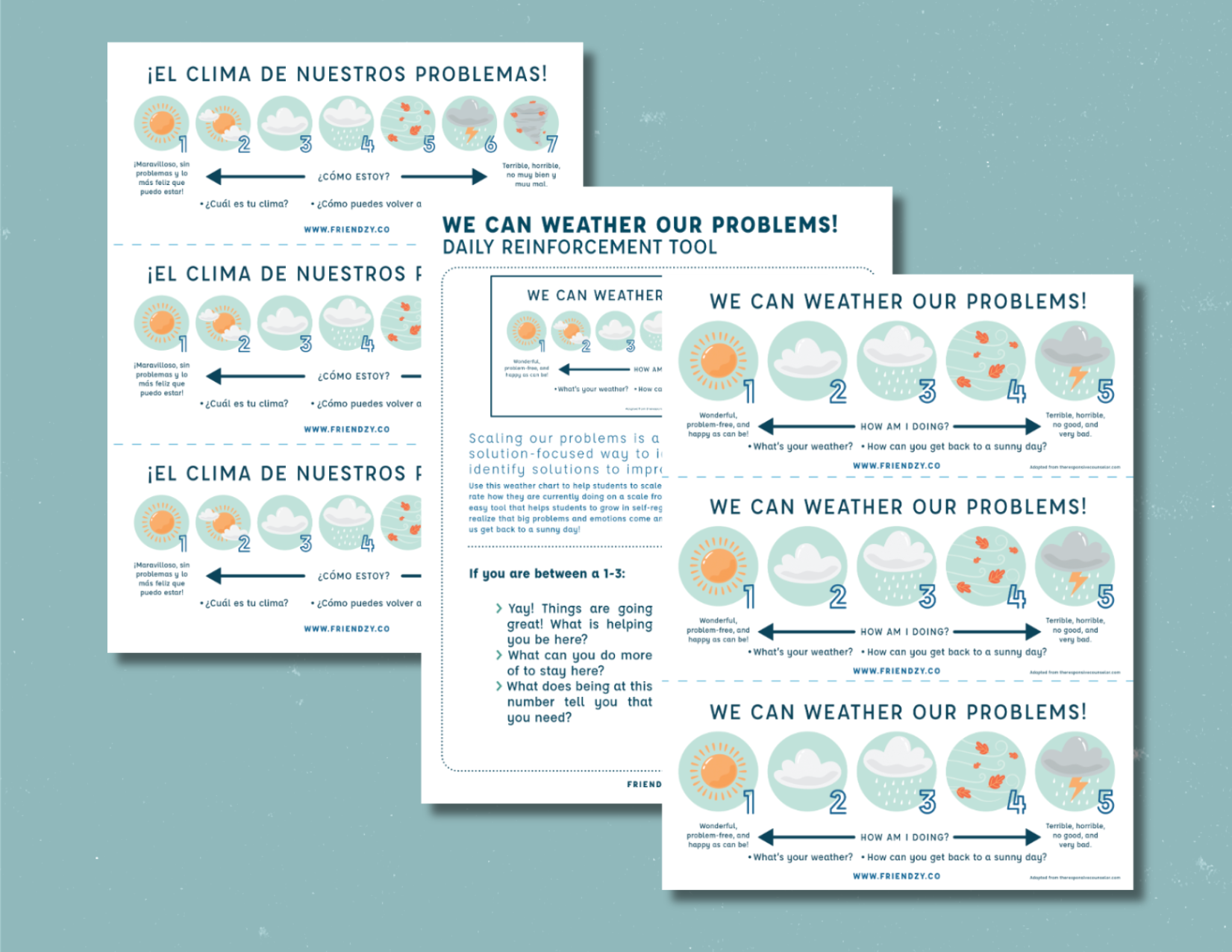
The Weather Our Problems Scale helps students slow down and look at a challenge from a new perspective. It supports them in noticing the size of a problem and thinking through next steps.
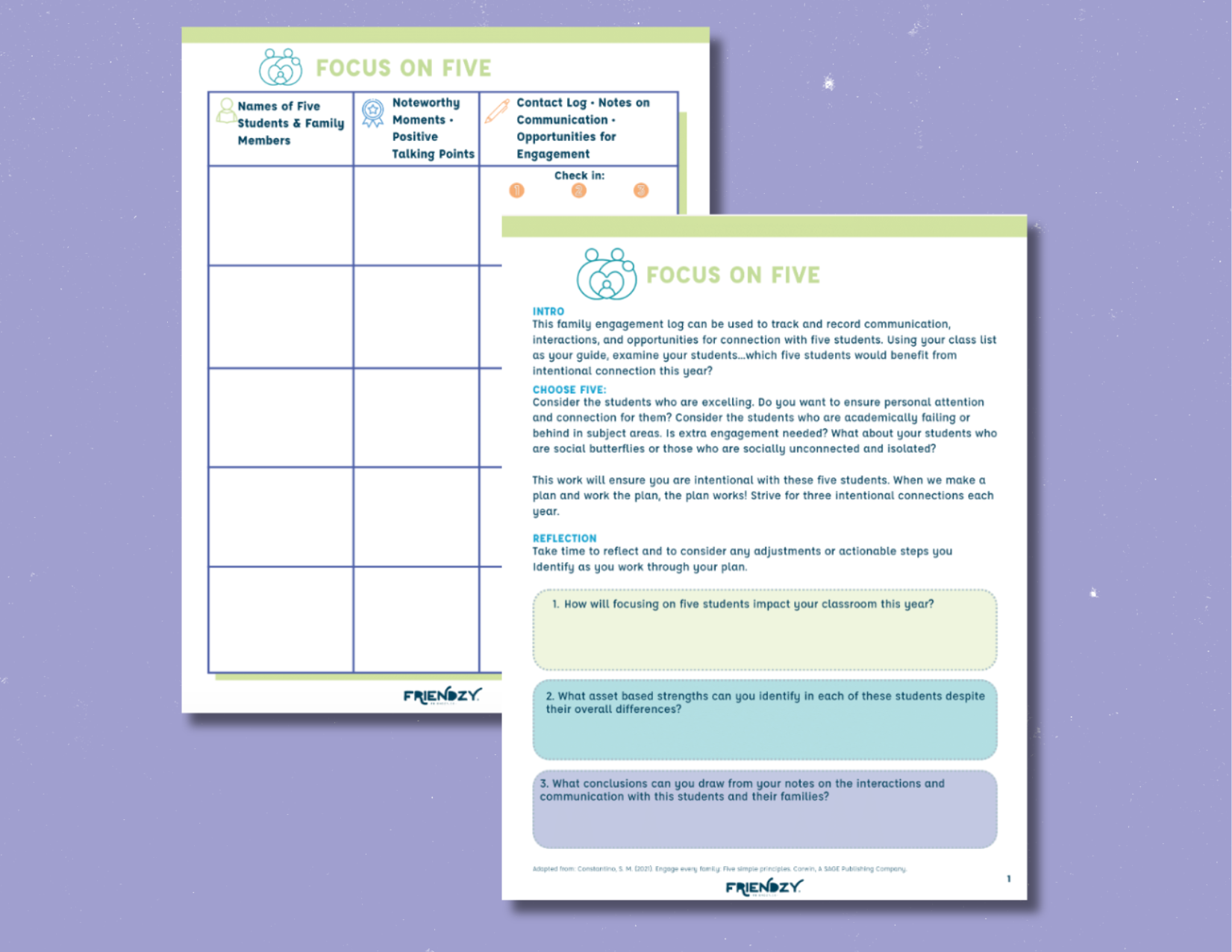
Focus on Five helps teachers intentionally encourage and affirm five students over a short period of time. By paying closer attention to the strengths, contributions, and growth of a small group of students, educators can begin to shift classroom culture toward belonging.
Small moments of noticing and affirmation help students see the gifts God has placed within them—and the gifts they bring to the community.
Use Focus on Five when:
• You want to intentionally build belonging in your classroom.
• Certain students are quiet, overlooked, or unsure of their place.
• You want to create a rhythm of noticing and affirming student strengths.
At Friendzy, our approach to character development education is rooted in evidence-based research and positive outcomes. We believe these aren’t merely "soft skills," they're skills for good, skills for life.
We teach students that emotional awareness means engaging with critical thinking, being intentional, and staying rooted in their identity—even amid uncertainty.